Trace the moisture
Review water history and inspect affected spaces and materials.
Visible growth, musty odors, or water damage? We investigate moisture sources, affected materials, and the next corrective steps.
We confirm the scope, location, and appropriate specialist support before scheduling.
Review water history and inspect affected spaces and materials.
Use visual assessment, moisture measurements, and targeted sampling when justified.
Document recommended actions, remediation boundaries, and verification needs.
A clear record your facilities, operations, or EHS team can use.
Our report example shows how field observations become findings, recommendations, and a way to verify completion.
The problem
Mold spores are common in indoor and outdoor environments. The building problem begins when water or excess moisture allows growth on susceptible materials. That is why the most useful questions are usually: Where is the moisture coming from? What materials were affected? How far does the impact extend? And what needs to be removed, dried, cleaned, or repaired?
Prudence begins with the building and moisture history, not a predetermined sampling package.
When to assess
Suspect microbial growth, water staining, deteriorated finishes, damaged drywall, ceiling tile, carpet, or insulation.
Roof leaks, plumbing failures, flooding, condensate problems, envelope leaks, or materials that remained wet after an incident.
Persistent odors may indicate moisture or affected materials that are not immediately visible.
An independent assessment can help determine whether the agreed scope appears complete before containment is removed or spaces are returned to normal use.
How we investigate
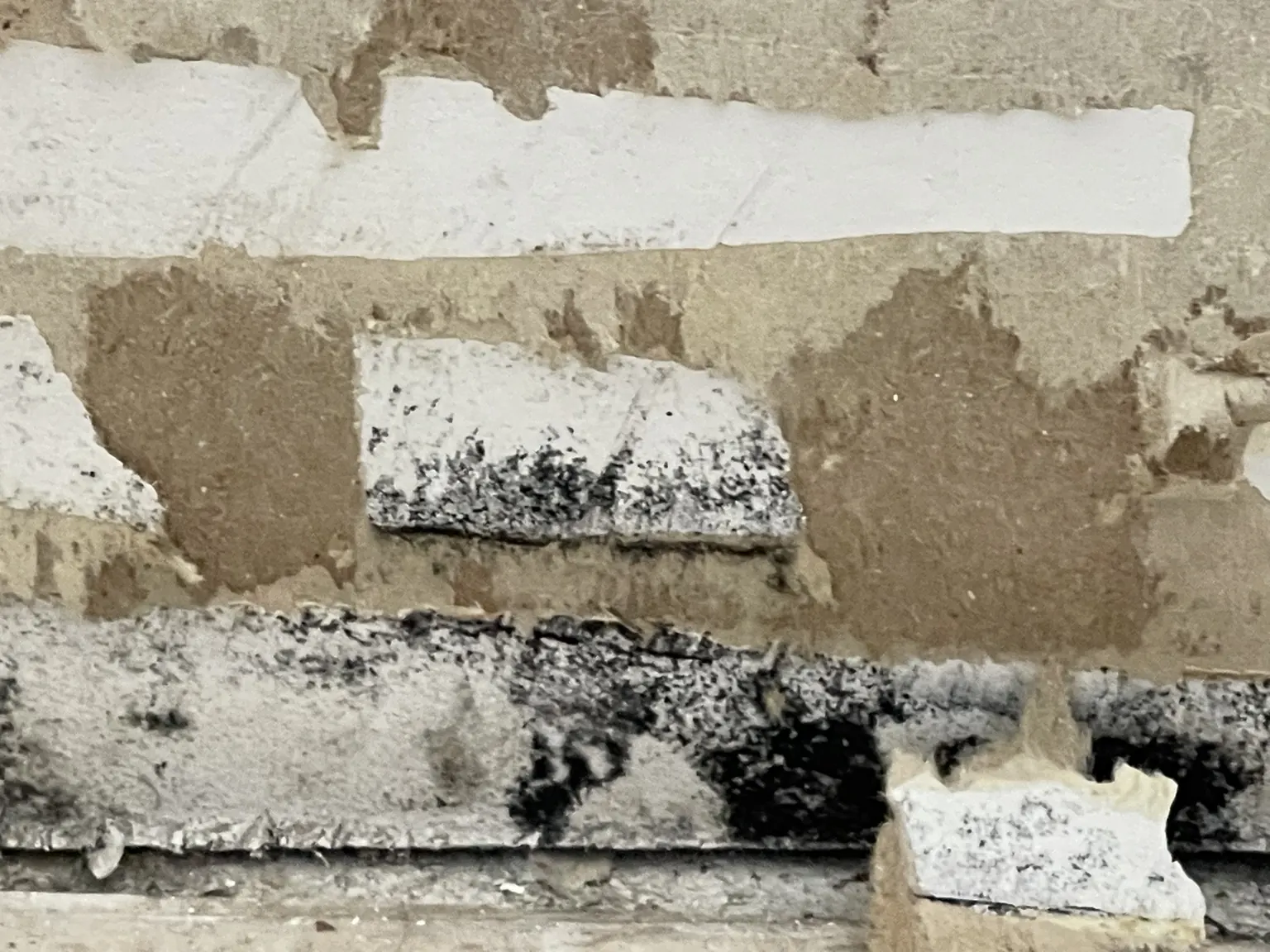
We document staining, suspect growth, material deterioration, condensation, ventilation conditions, and evidence of current or previous water intrusion.
Moisture meters and other non-destructive tools can help identify abnormal conditions in walls, floors, ceilings, and other materials and define areas needing closer evaluation.
Infrared thermography may help identify temperature patterns consistent with moisture or condensation potential. Suspect areas are verified using appropriate methods rather than treated as proof by themselves.
Air, tape-lift, swab, or other sampling may be used when the result will answer a defined question, reduce uncertainty, or support a remediation or verification decision.
Regulations & guidance
OSHA guidance emphasizes identifying and controlling moisture sources and addressing mold-contaminated materials. EPA guidance for schools and commercial buildings likewise centers on moisture control, prompt drying, and appropriate remediation practices.
Project decisions may also consider IICRC S520 and other professional guidance. State or local licensing requirements vary; where licensure governs mold assessment or remediation, jurisdiction-specific requirements are confirmed during scoping.
Remediation support
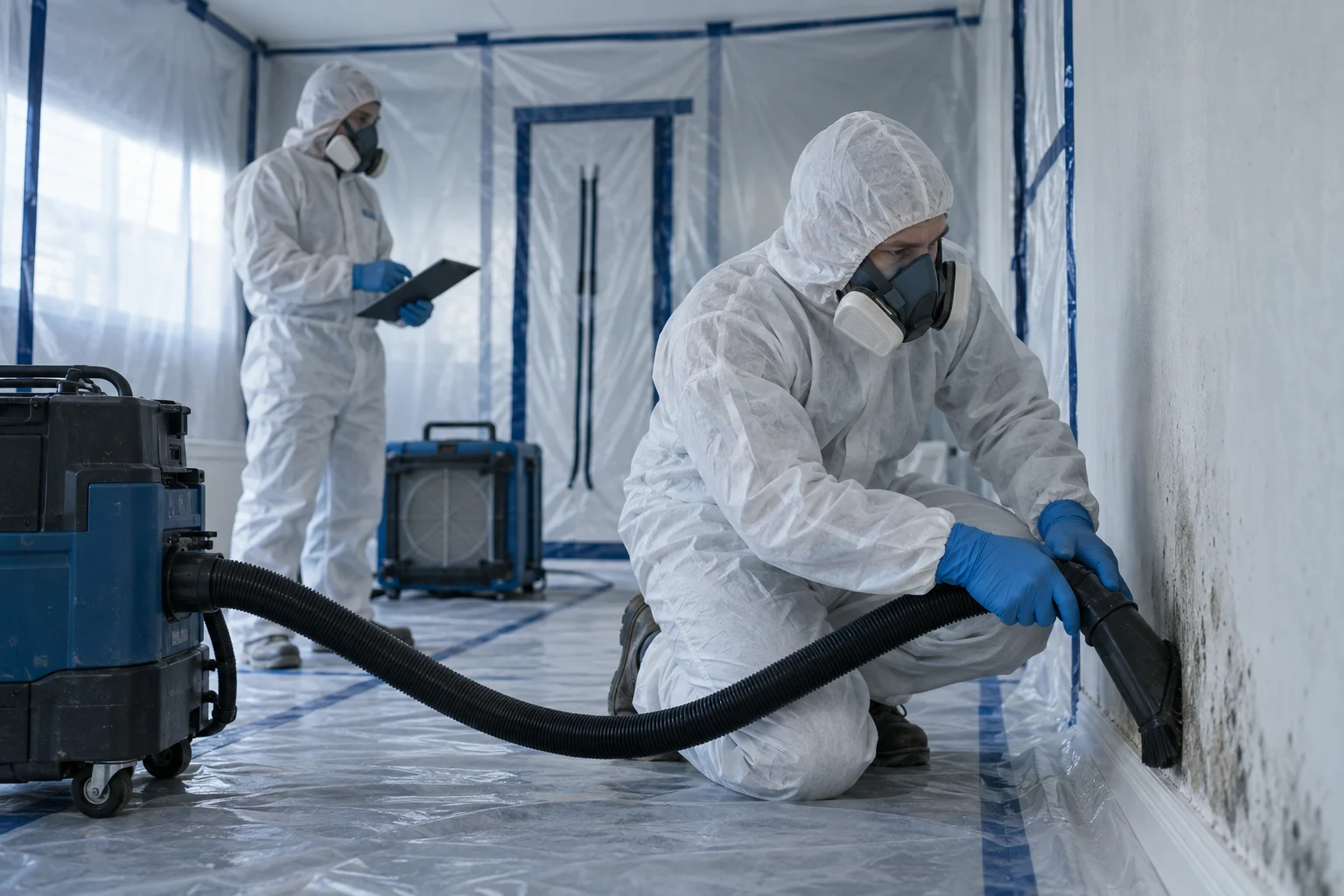
Where remediation is warranted, Prudence can help define affected areas, materials to remove or clean, source-control measures, containment considerations, HEPA filtration, worker and occupant protection, sequencing, and the conditions required before the project is considered complete.
Post-remediation verification
Independent verification may include visual inspection, moisture measurements, assessment of cleanliness, review of remaining materials and conditions, and targeted sampling when it is technically justified. The verification scope is established before the re-check so the acceptance basis is clear.
What you receive
Share the concern, facility location, and preferred timing. We will review the request and confirm the proposed scope and quote.