Trace the moisture
Review water history and inspect affected spaces and materials.

Understand affected materials and moisture conditions after a leak, flood, or recurring water problem.
We confirm the scope, location, and appropriate specialist support before scheduling.
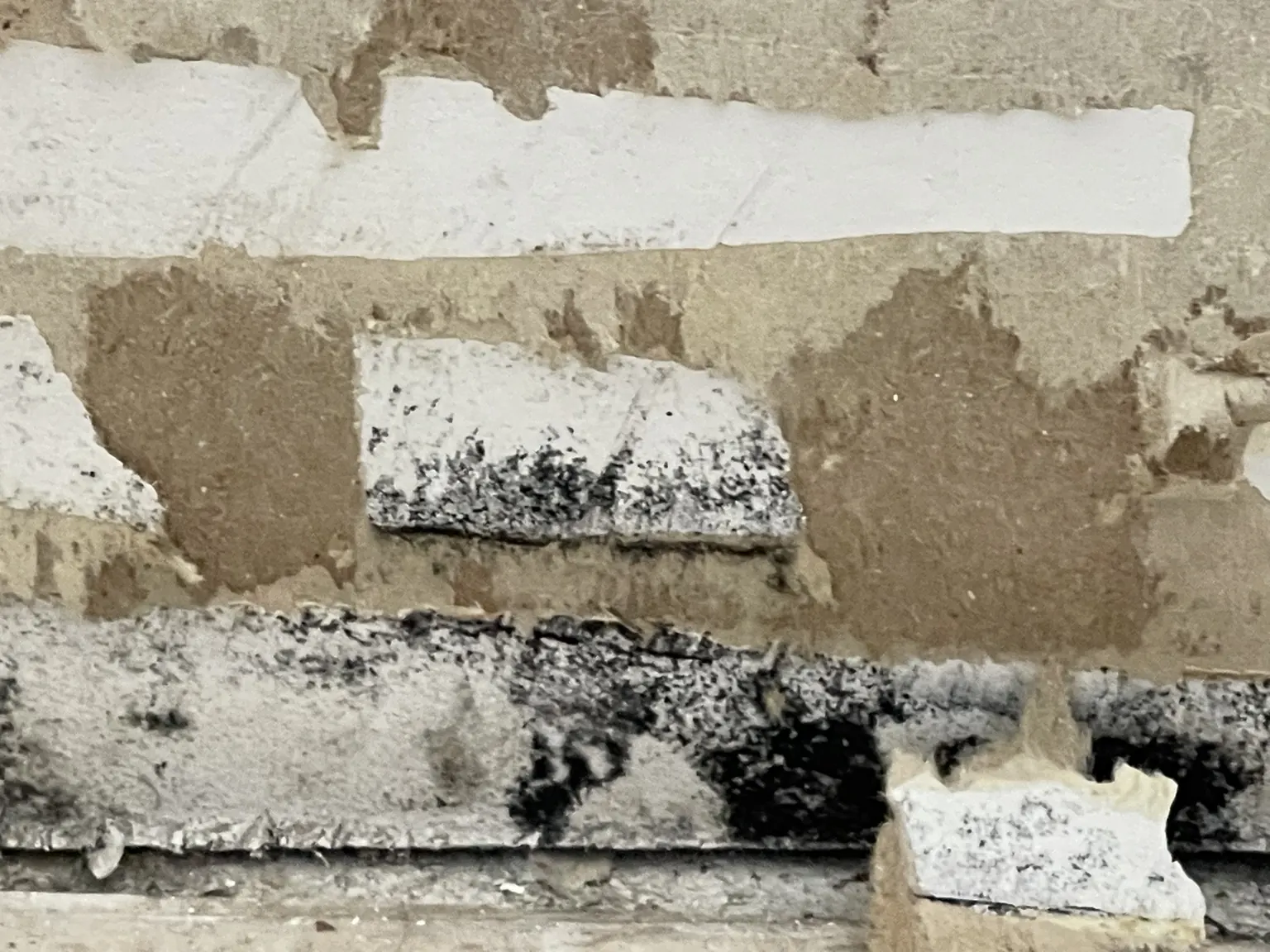
Review water history and inspect affected spaces and materials.
Use visual assessment, moisture measurements, and targeted sampling when justified.
Document recommended actions, remediation boundaries, and verification needs.
A clear record your facilities, operations, or EHS team can use.
Our report example shows how field observations become findings, recommendations, and a way to verify completion.
First priority
EPA and OSHA guidance emphasize moisture control as the foundation of mold prevention and response. After a water event, the immediate technical priorities are to correct the source, identify wet or damaged materials, determine whether materials can be dried or need removal, and document the affected area.
Field assessment
Identify the leak, flood, condensation, drainage, or envelope condition that introduced moisture.
Use visual observations and moisture measurements to define affected areas and materials.
Identify materials requiring removal, cleaning, drying, containment, or additional evaluation.
Reinspect moisture and cleanliness conditions before the space returns to normal use.

Sampling
Sampling is most useful when it answers a specific question that visual assessment and moisture investigation cannot resolve. Prudence selects sampling only when the result is expected to improve the decision.
Share the concern, facility location, and preferred timing. We will review the request and confirm the proposed scope and quote.