Shipbuilding, repair & maintenance
Hot work, surface preparation, coatings, welding fumes, hazardous energy, scaffolds, temporary services, fire protection, and work in confined or enclosed spaces.
Address exposure, safety, and compliance questions across vessels, shipyards, and waterfront operations. We define the work and operating boundaries before recommending an assessment.
We confirm the scope, location, and appropriate specialist support before scheduling.

Our report example shows how field observations become findings, recommendations, and a way to verify completion.
Maritime operations
Work may move between a vessel, dry dock, pier, terminal, warehouse, machinery space, and shoreside maintenance area in a single shift. The governing requirement can change with the location, activity, employee group, and employer relationship. A useful EHS assessment starts by defining those boundaries before evaluating compliance.
Hot work, surface preparation, coatings, welding fumes, hazardous energy, scaffolds, temporary services, fire protection, and work in confined or enclosed spaces.
Vehicle and pedestrian movement, cargo transfer, cranes and lifting gear, container operations, access systems, fall hazards, line handling, and contractor coordination.
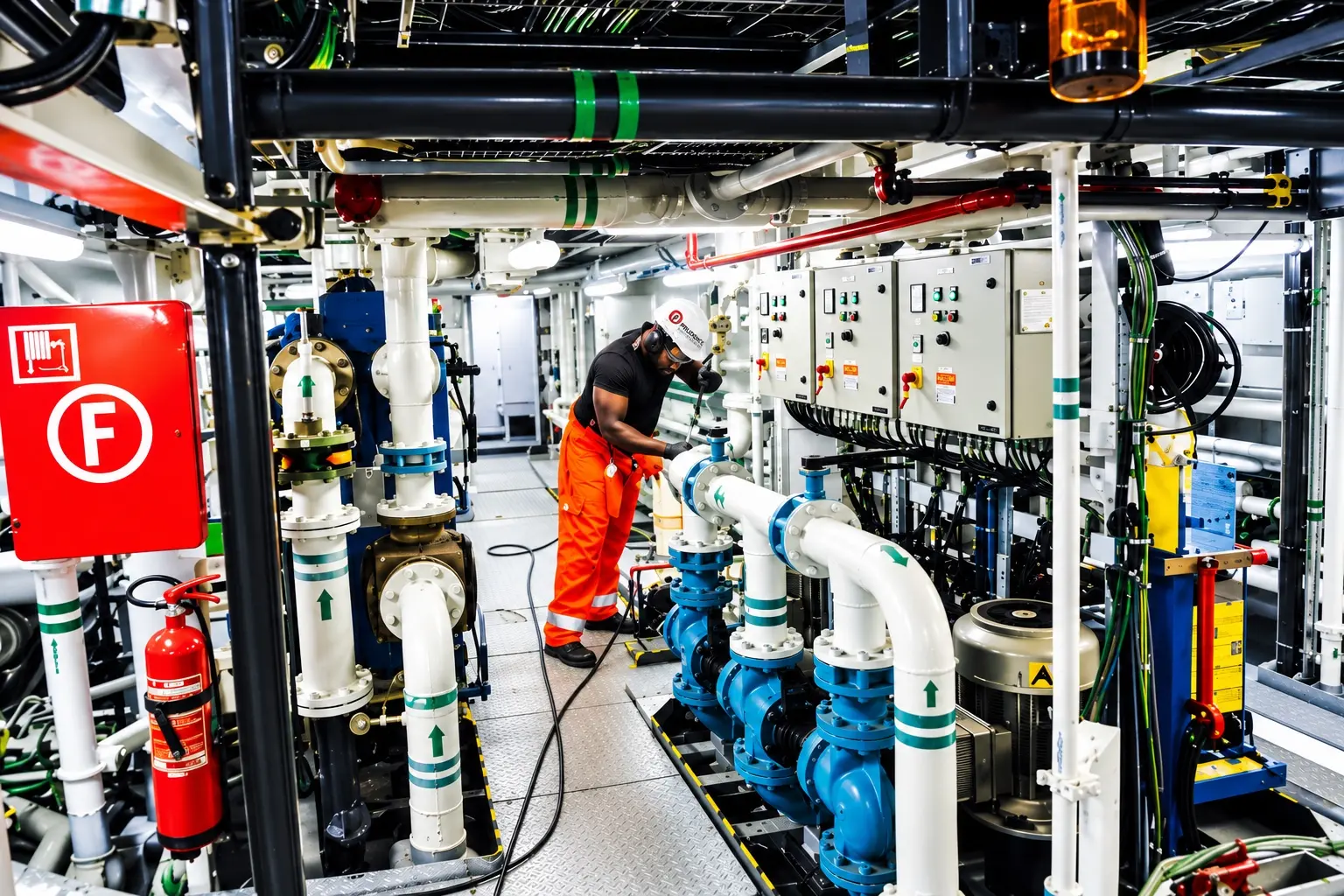
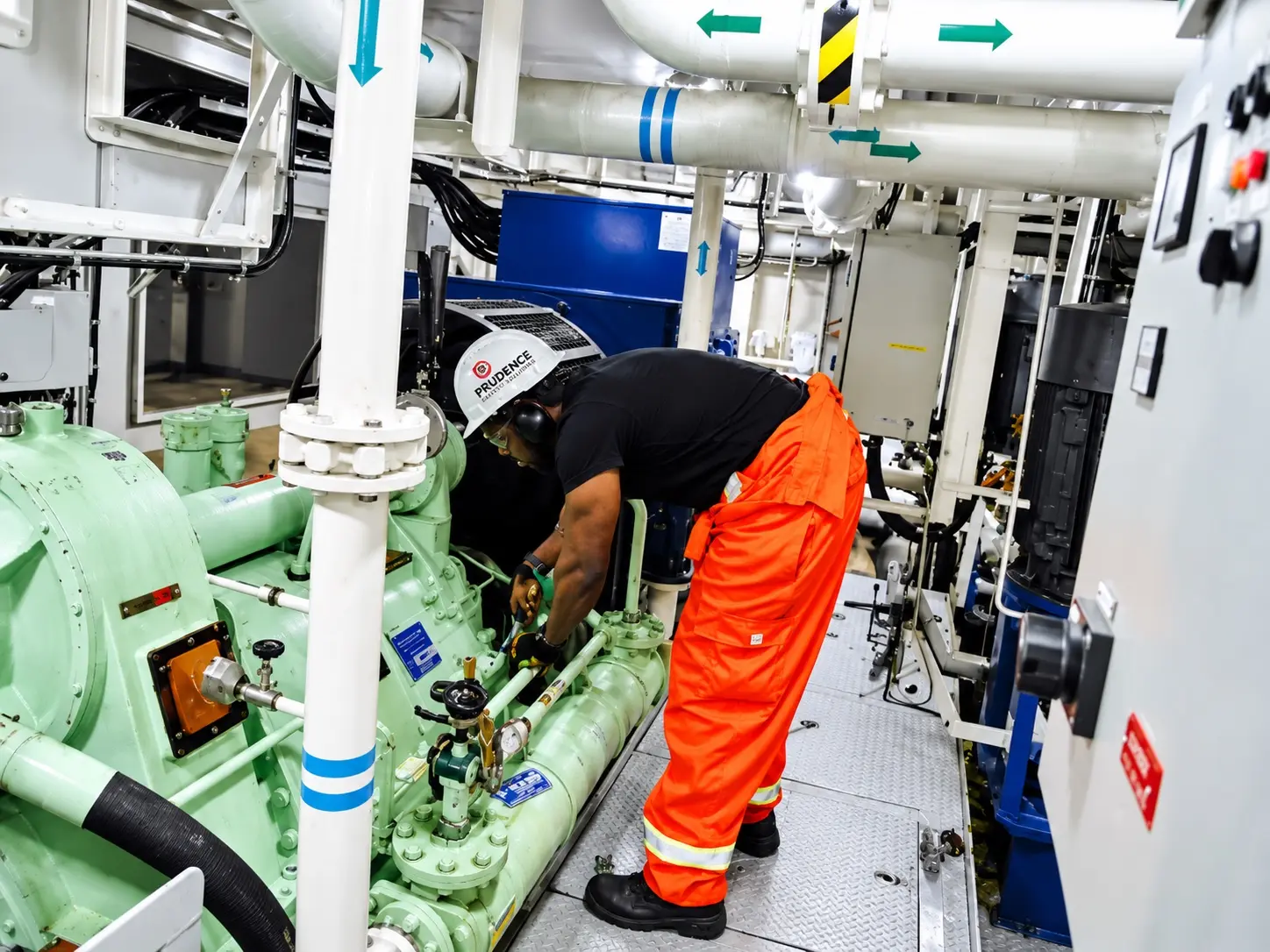
Machinery spaces, deck work, maintenance, electrical and mechanical isolation, slips and falls, over-water work, noise, heat, fatigue, emergency readiness, and safety-management procedures.
Noise, diesel exhaust, welding and cutting emissions, metals, solvents, coatings, particulates, heat stress, oil and chemical handling, waste, stormwater, and spill pathways.
Marine operating environments
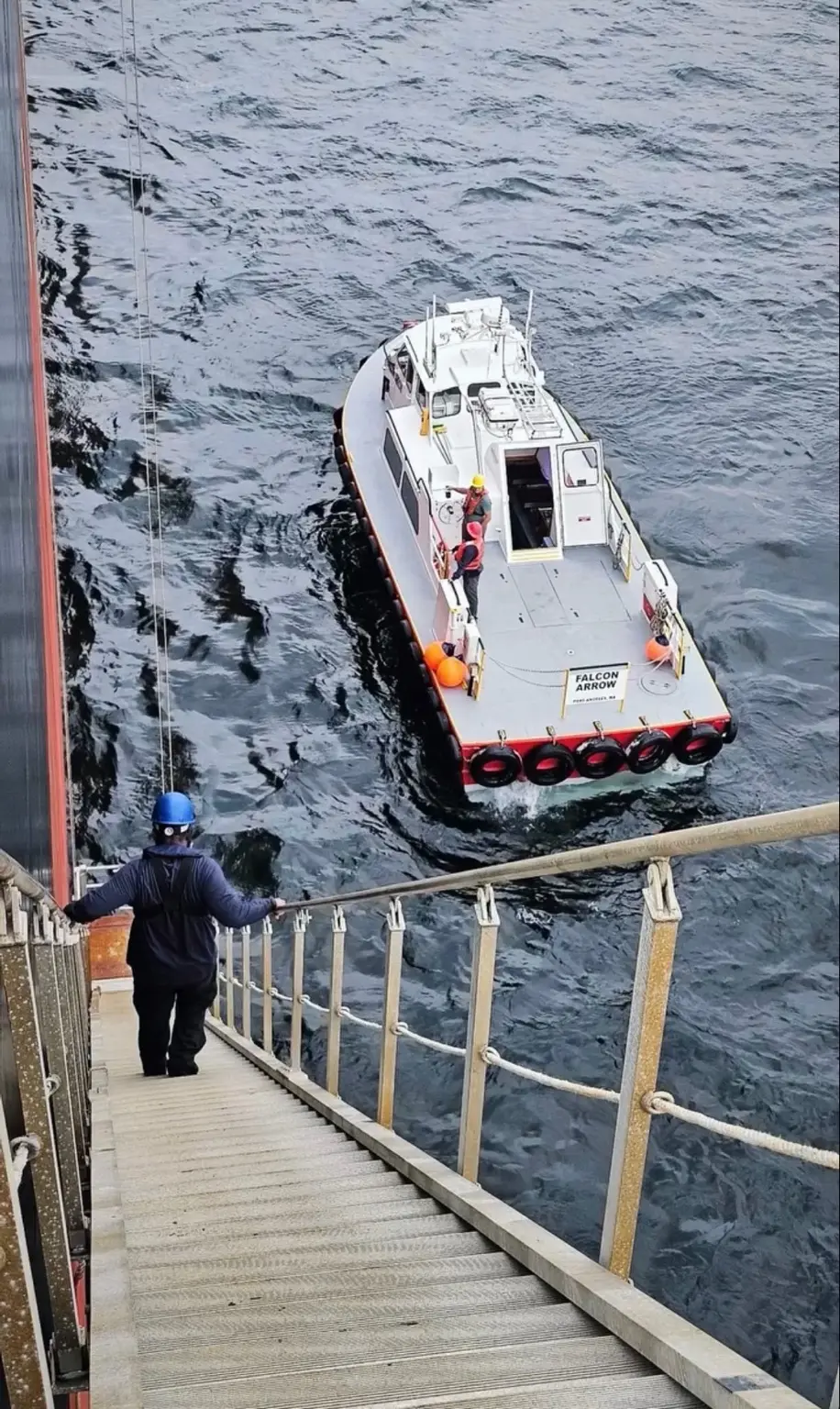
Personnel transfer, vessel access, machinery maintenance, isolation, communication, emergency response, and work sequencing are connected parts of the same operating system. Field review follows those interfaces rather than treating each hazard as an isolated checklist item.
Regulatory framework
Depending on the work, potentially applicable federal OSHA requirements include 29 CFR Part 1915 for shipyard employment, Part 1917 for marine terminals, Part 1918 for longshoring, and Part 1919 for cargo-gear certification, together with general-industry or construction provisions where incorporated or otherwise applicable. Vessel inspection, operation, and safety-management obligations may involve U.S. Coast Guard requirements under 46 CFR. The International Safety Management Code or a Towing Safety Management System may apply to particular vessels and operators—not to every maritime operation.
Environmental responsibilities may include oil-spill prevention and response, industrial stormwater or other discharge permits, hazardous-waste management, air requirements, and state, port, lease, or operator conditions. Prudence defines the activity and jurisdiction first, then separates enforceable requirements from consensus standards, owner criteria, and professional guidance.
How Prudence assists
Applicability reviews, written-program evaluation, shipyard or terminal walkthroughs, inspection readiness, permit and record review, and corrective-action planning.
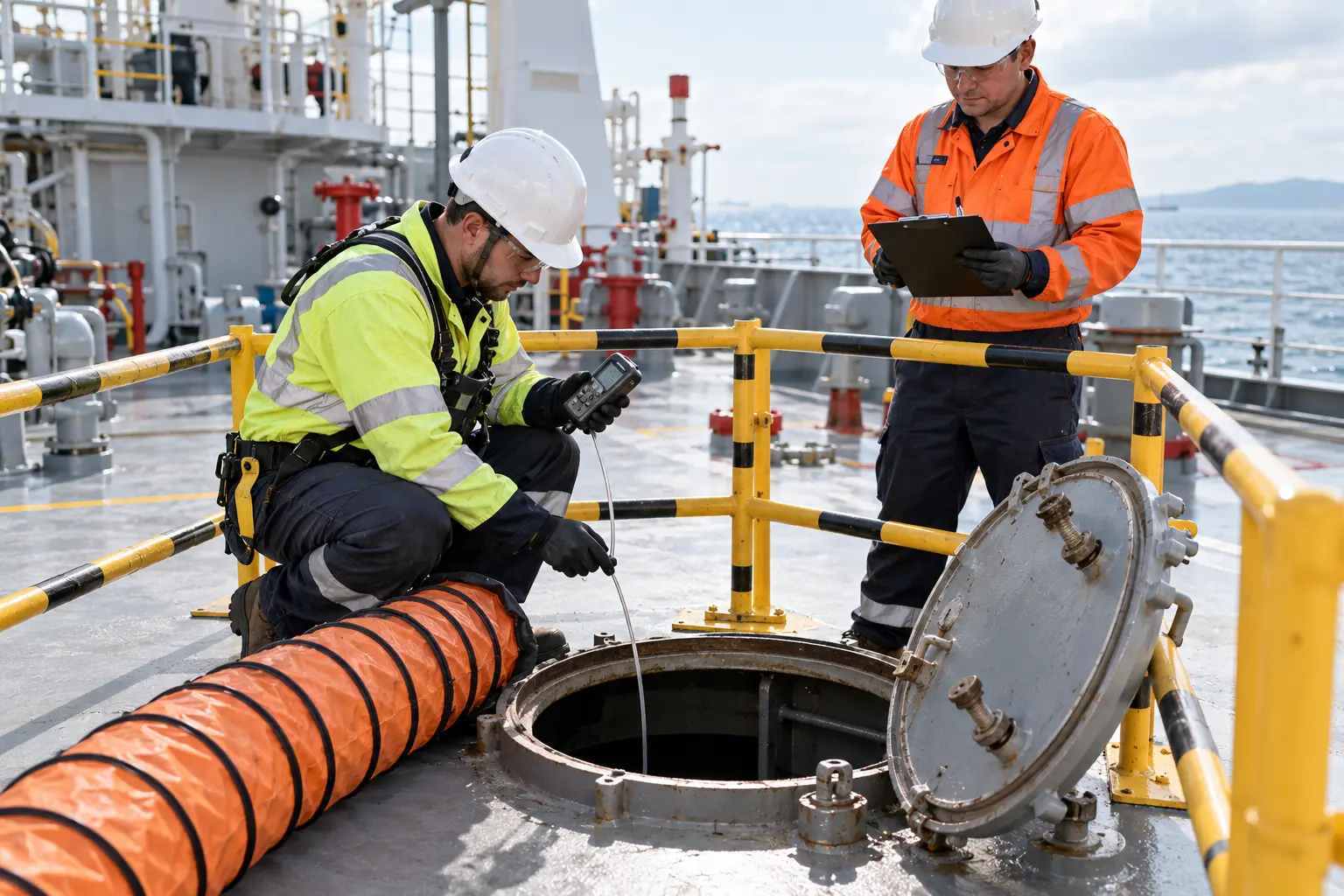
Entry-program and permit review, atmospheric-testing practices, ventilation, communications, attendant and rescue interfaces, and coordination with required shipyard competent persons or marine chemists.
Noise dosimetry, air sampling, direct-reading measurements, ventilation observations, and evaluation of welding fumes, metals, coatings, solvents, diesel exhaust, particulates, and heat.
Hot work, fire watch, hazardous-energy control, electrical safety, access and egress, fall and over-water protection, PPE, material handling, rigging, and emergency equipment.
JHAs and JSAs, procedures, training, contractor controls, incident learning, management of change, internal verification, and alignment with an operator’s SMS or TSMS where applicable.
Oil and chemical storage, spill prevention and response, waste-management practices, stormwater exposure, discharge pathways, and inspection or recordkeeping gaps.
Where a task requires a statutory certificate, vessel inspection, classification decision, licensed engineering service, or Marine Chemist determination, that work remains with the appropriately authorized professional. Prudence can help define the question, coordinate the interface, and incorporate the resulting evidence into the broader EHS assessment.
Yacht services
Explore our dedicated service for 40–100-foot motor yachts, including preventive maintenance, troubleshooting, technical management, and onboard EHS support.
Explore yacht maintenanceAssessment method
Identify the vessel or facility, work activity, location, personnel, employer relationships, operating status, and the decision the assessment must support.
Examine safety-management documents, permits, JHAs or JSAs, training, exposure data, incidents, inspections, maintenance information, contractor requirements, and open actions.
Evaluate representative work and collect noise, air, atmosphere, ventilation, heat, or other measurements when data are needed to resolve the question.
Prioritize findings by life-safety risk, exposure, regulatory significance, operating constraints, and ownership, then define how each correction will be confirmed.
What you receive
Share the concern, facility location, and preferred timing. We will review the request and confirm the proposed scope and quote.