Exposure
Dust, silica, welding fumes, metals, solvents, gases, vapors, particulates, noise, and process-specific agents.
Evaluate worker exposures, compliance gaps, and operational controls around the work your team performs.
We confirm the scope, location, and appropriate specialist support before scheduling.

Our report example shows how field observations become findings, recommendations, and a way to verify completion.
Industrial operations
Production demands, changeovers, maintenance, troubleshooting, contractor work, temporary controls, and non-routine tasks can create gaps that are not visible in a document review. Prudence combines field observation with program and record review.
Dust, silica, welding fumes, metals, solvents, gases, vapors, particulates, noise, and process-specific agents.
Machine guarding, servicing tasks, energy sources, written procedures, periodic inspections, and employee roles.
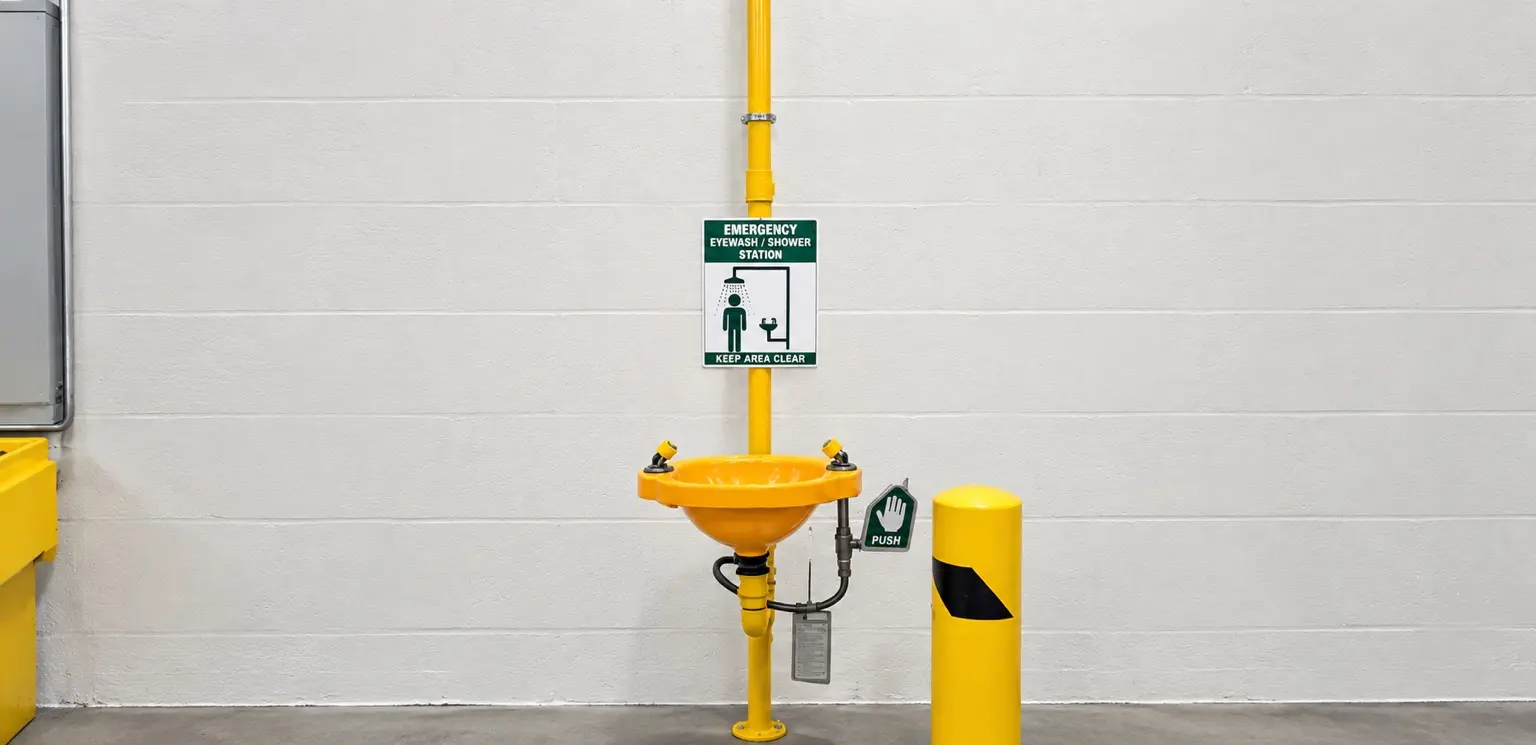
Hazard communication, storage, labeling, PPE, spill response, eyewash and shower need, access, and performance.
Training, JHAs, inspections, incident learning, corrective-action ownership, contractor controls, and verification.
Regulatory framework
Potentially relevant OSHA requirements include 29 CFR 1910.147 for control of hazardous energy during covered servicing and maintenance, Subpart O for machinery and machine guarding, 1910.95 for occupational noise, 1910.1200 for Hazard Communication, 1910.1000 and substance-specific standards for air contaminants, 1910.134 for respiratory protection, and PPE, electrical, walking-working-surface, and emergency-action requirements. Prudence identifies which provisions apply before judging compliance.
How Prudence assists
Review processes, equipment, chemicals, written programs, exposure data, injuries, training, procedures, and open corrective actions.
Observe representative production, setup, maintenance, material handling, cleaning, and non-routine work.
Use personal dosimetry, breathing-zone sampling, area measurements, or direct-reading instruments where data are needed.
Prioritize findings by severity, exposure, regulatory significance, frequency, employees affected, and correction complexity.
Controls & mitigation
Support may include guarding or energy-control improvements, local exhaust, enclosure, substitution, work-practice changes, written programs, JHAs, PPE and respiratory-program updates, training, emergency-equipment correction, responsible-party tracking, and follow-up verification.
What you receive
Share the concern, facility location, and preferred timing. We will review the request and confirm the proposed scope and quote.